Binota Roy
Acting
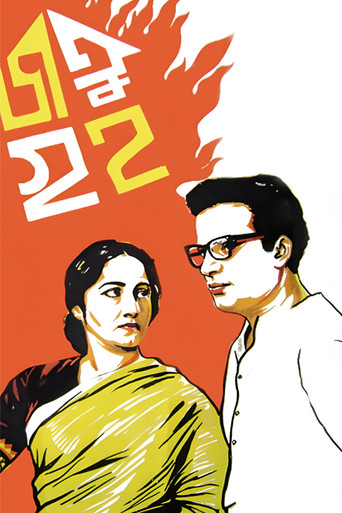
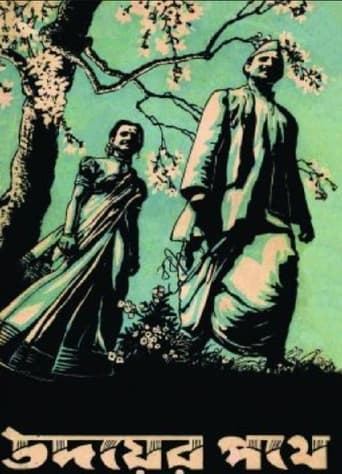
Binota Basu was born in a Brahma family in 1925 on Kojagari Lakshmi Purnima Tithi and was therefore called Lakshmi. Her father Satya Sundar Basu was an advocate in Patna High court. Binota was one of his six daughters. Satya Sundar was a lawyer by profession but his music was his first love and after court hours his routine was to sing and play musical instruments like the Sitar, the organ and many others. Binota's mother was a good singer too. So Binota had music in her blood and she entered films as a playback artiste in Dikshul (1943). Raichand Boral had introduced her to Pankaj Kumar Mallick, the music director of the film. This happened after the family shifted to Calcutta. While in Calcutta, Binota along with her sisters came in close touch with cousin Chinmohan Sehanbish , who in turn introduced them to the legendary Debabrata Biswas from whom Binota got some early training in music. Under Raichand Boral's guidance her first major success was in Wapas (1943), where she sang "Albela Mastana", "Jeevan Hai Bekar" and "Bhool Na Jana". All the songs became popular. The next year Binota became a star with her acting and singing in Bimal Roy's Udayer Pathey (1944) and with the Hindi version Humrahi got an all India exposure. Her popularity touched the sky but soon she got married to Jyotirmoy Roy, who had written the story of Udayer Pathey. After marriage she was allowed to work mostly in films associated with her husband. These included Abhijatri (1947), Diner Parey Din (1949), Shankhabani (1951), Nagardola (1956), Taka Ana Pai (1956), Kancha Mithhey (1957).In Abhijatri she was paired with her first hero Radhamohan Bhattacharya again. After her husband's death in 1961 she withdrew from the film world but came back later to give memorable performances as character artiste in Tapan Sinha's Jatugriha (1964), Mrinal Sen's Calcutta 71 (1971), Chhayateer (1972) and finally Hangsharaj (1976). She won the best actress and best supporting actress awards from the prestigious Bengal Film Journalists' Association a number of times. Binota Roy was inspired to write by her writer husband. She is credited with several short stories which were published in popular Bengali magazines. A collection of her stories was first published as a book titled Mayamukur in 1964. Binota Roy died on the twenty eighth day of July, 1978 and was survived by sons Ramya and Samya and daughter Suchita.